
1. Learn the Fundamentals
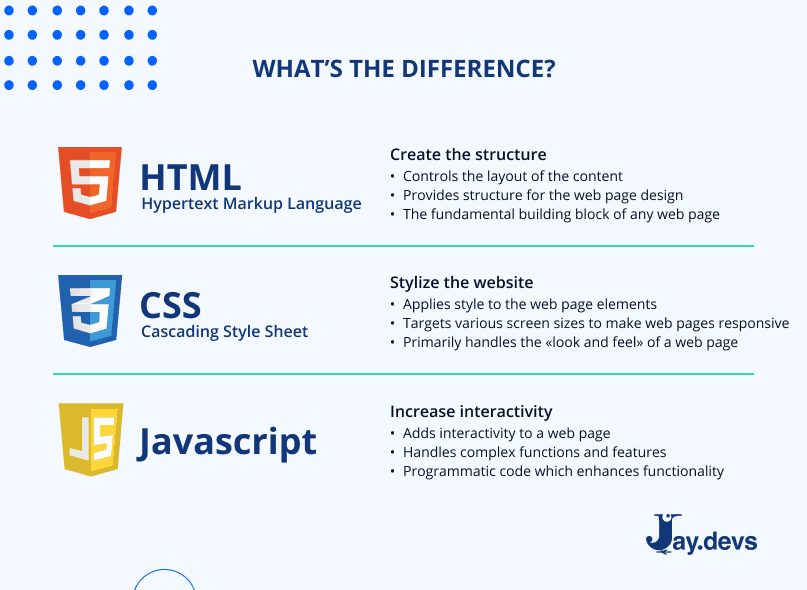
- Start with HTML, CSS, and JavaScript—the backbone of all websites.
- Understand how web pages are structured, styled, and made interactive
2. Master a Framework or Library
Learn popular frameworks like React, Angular, or Vue.js for front-end. Explore Node.js, Django, or Laravel for back-end development.
3. Understand Responsive Design
Learn CSS Flexbox, Grid, and media queries.
Ensure websites work on all devices: desktops, tablets, and mobiles.
4. Practice Version Control
Use Git and GitHub to track changes, collaborate, and manage projects.
5. Focus on User Experience (UX)
Learn basic principles of accessibility and usability.
Design websites that are easy to navigate, fast, and visually appealing.
6. Learn About SEO Basics
Optimize page speed, headings, images, and meta tags.
Understand on-page SEO to make your websites more discoverable.

7. Keep Learning
Follow tutorials, join developer communities, and read blogs.
The web constantly evolves—stay updated with the latest tools, trends, and best practices.
8. Build Real Projects
- Practice by creating portfolio websites, blogs, or small business sites.
- Real projects improve problem-solving skills and demonstrate your abilities to potential clients or employers.
9. Debugging and Problem-Solving
Use browser developer tools and online communities like Stack Overflow.
Learn to inspect code, read error messages, and troubleshoot issues efficiently.
10. Soft Skills Matter
Time management, patience, and creativity are key traits for successful developers.
Good communication helps when working with clients or teams.